
Spirulina Cleansing Powder
A powder cleanser that activates with water into a rich, silky lather, cleansing deeply without stripping skin. With Spirulina Maxima, it leaves skin soft, hydrated, and balanced—suitable for all skin types, including sensitive.


Intelligent Ingredients
We pioneer plant intelligence with precision. Our clinically proven formulas are developed with potent botanical actives that speak your skin's own language: sourced from nature; safe for people and the planet.

Meet Your Routine
Our guide to simple, smart, and effective skincare starts with just three essentials: cleanser, serum, and moisturizer.
-
Chebula Active Serum
This serum is clinically proven to outperform two leading anti-aging serums in fighting fine lines and wrinkles. -
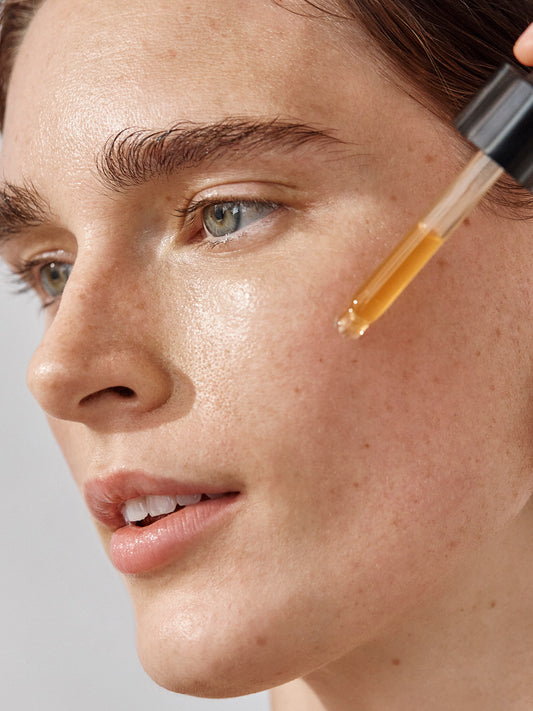
Renew Pure Radiance Oil
Our best-selling face oil that helps target signs of aging and is clinically proven to outperform a leading anti-aging moisturizer.


FAQs
Is True Botanicals safe during pregnancy?
Yes. Every product in this collection is MADE SAFE® Certified and Sorette Approved, two independent certifications that screen for ingredients linked to reproductive harm, developmental toxicity, and endocrine disruption. We formulate without retinoids, parabens, synthetic fragrance, and other ingredients commonly avoided during pregnancy. As always, we recommend consulting your doctor before starting any new skincare routine while pregnant.
What are the best True Botanicals pregnancy-approved skincare products?
Our Mindful Mama Starter Set is the best starting point: A complete pregnancy-approved routine clinically proven to deliver radiant, nourished skin. For a complete step-by-step routine, we recommend: the Ginger Turmeric Cleansing Balm to gently cleanse (formulated with pregnancy-approved Lactic Acid and Azelaic Acid to also address uneven tone and melasma); the Chebula Active Serum for targeted anti-aging and brightening; the Chebula Extreme Cream to lock in moisture without pore-clogging waxes; and the Skin Barrier Sun Shield SPF 30 for daily mineral sun protection. For sensitive or dry pregnancy skin, the Calm Pure Radiance Oil, formulated with 27 plant actives including Calendula, Ginger Root, and Hemp Seed Oil, is ideal for soothing and nourishing skin through every trimester.
Can I use True Botanicals products while breastfeeding?
Yes—all products in our pregnancy-approved collection are formulated to be safe during breastfeeding as well. Our MADE SAFE® certification and Sorette Approval both cover the postpartum period, not just pregnancy. Individual needs can vary, so we always recommend checking with your doctor before introducing anything new postpartum.
Is retinol safe during pregnancy?
Traditional retinol and retinoids are generally avoided during pregnancy. However, True Botanicals' Phyto-Retinol Clinical Serum and Phyto-Retinol Advanced Clinical Cream are pregnancy-approved retinol alternatives powered by Peptilium®, a plant-derived complex clinically proven to work 2x faster and better than traditional retinol, without the retinoids. You don't have to choose between safety and results.
What skincare ingredients should I avoid during pregnancy?
Most dermatologists recommend avoiding synthetic retinoids (retinol, tretinoin, retinyl palmitate), hydroquinone, salicylic acid, benzoyl peroxide, chemical sunscreen filters like oxybenzone and avobenzone, parabens, and synthetic fragrance during pregnancy. None of these are found in True Botanicals' pregnancy-approved skincare collection. Every formula is MADE SAFE® certified and screened against 15,000+ known toxins. Safe actives you can use during pregnancy include hyaluronic acid, lactic acid, azelaic acid, vitamin C, chebula, and ceramides, all of which are featured across our collection.
Is sunscreen safe during pregnancy? What kind should I use?
Yes! Daily SPF is strongly recommended during pregnancy, as hormonal changes can increase sensitivity to UV rays and the risk of melasma (the "pregnancy mask"). Mineral sunscreens using zinc oxide or titanium dioxide are considered the safest choice. Our Skin Barrier Sun Shield SPF 30 uses a mineral formula that protects, hydrates, and softens skin with no chemical filters, parabens, or synthetic fragrance.
Can I use Vitamin C while pregnant?
Yes—Vitamin C is generally considered safe during pregnancy and is one of the best ingredients for addressing melasma (the "mask of pregnancy"), dark spots, and dullness caused by hormonal changes. Our Vitamin C Serum-Booster is pregnancy-approved and pairs Vitamin C with Ferulic Acid—which amplifies its effectiveness—to visibly brighten skin, even tone, and reduce the appearance of hyperpigmentation. Unlike liquid Vitamin C serums that oxidize quickly, ours is a powder formula that stays potent until use and can be mixed into any moisturizer or serum.
How should my skincare routine change during pregnancy?
Pregnancy can bring dryness, sensitivity, hormonal breakouts, and pigmentation changes like melasma, so some adjustments are worth making. The key is simplifying: avoid ingredients your doctor recommends skipping, prioritize barrier-supporting hydration, and add a daily mineral SPF. You don't need a completely new routine, just a safer, gentler version of what already works. For breakout-prone skin during pregnancy, the Clear Pure Radiance Oil helps balance oiliness and prevent blemishes without harsh actives. For dry or sensitive skin, the Calm Pure Radiance Oil soothes and deeply moisturizes without irritation.
Is hyaluronic acid safe during pregnancy?
Yes, hyaluronic acid is not only safe during pregnancy, it's one of the most beneficial ingredients you can use. It's a molecule your body already produces naturally, making it exceptionally gentle and non-irritating even during the first trimester when skin sensitivity is highest. During pregnancy, when hormonal shifts commonly cause dryness and sensitivity, hyaluronic acid helps attract and retain moisture, support the skin barrier, and keep skin balanced. Research also suggests consistent use may help minimize the appearance of stretch marks.
How do I know if a skincare product is actually pregnancy-approved?
The most reliable indicators are independent third-party certifications—not just a brand's self-reported "clean" or "natural" claims. Look for MADE SAFE® certification, which screens against 15,000+ known toxins and specifically evaluates ingredients for reproductive and developmental harm, and Sorette Approval, which vets formulas against a defined No-Go List™ of ingredients linked to endocrine, reproductive, and developmental toxicity. Beyond certifications, check the ingredient list directly for the most commonly flagged categories: retinoids, synthetic fragrance (listed as "parfum"), parabens, hydroquinone, and chemical sunscreen filters. When in doubt, your OB or midwife is the best person to review a specific formula for your situation.